
Section 3: How to organise an activity to get people enrolled and informed about voting
How you plan to engage with a group of people will vary depending on who they are, and what kind of activity you are organising. It’s important to identify who your audience are before you plan what you’re going to do.
Here are some things to consider:
Does your group need this information? Some groups of people are highly engaged with politics and are enrolled and vote regularly. These are not the right people for this mahi – choose a group of people who are new to voting (because of age or if they have recently gained residency) or who have not voted before or don’t vote often, for whatever reason. It doesn’t matter if this group is five people or fifty, the process is the same.
What kind of activity will work best? The two most common activities will be meeting-style, or a stall. Play to your strengths and your opportunities. If you are comfortable running a meeting or have an upcoming meeting you could run a session in, go with that. If you prefer to engage one-on-one or you have an event that you could run a stall at, that could be the better option.
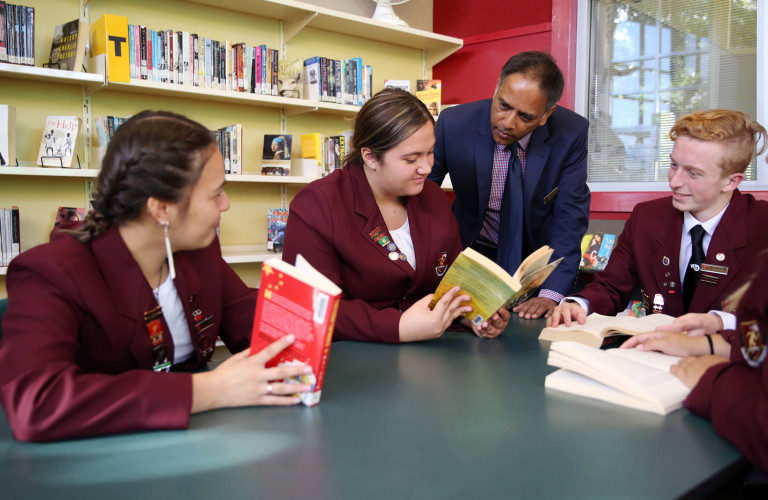
Are you the best person to deliver this message? If you are trying to engage with Year 13 students who can vote, working with your school student leaders might be a lot more effective than a teacher talking to students. If there is a trusted person in your community group like a church minister or group leader, they may be the best person to lead the discussion.
Who else do you need to check in with? If you are working with students outside of class time, or your branch on school grounds (outside of a branch meeting), then you may need to talk to your senior leadership team. If you are talking to a community group, you may need to check in with whoever runs the group.
Timing and location are key. You need time and space to let people check their details, help them enrol, ask questions etc. If you are running a meeting-style session, make sure you allow enough time so that you are not hurriedly handing out an enrolment form as people head out the door. If you are running a stall, make sure you have table space where people can fill out a form.
What resources do you need to have with you? We strongly recommend that you have paper copies of the enrolment form that you can hand out, help people fill in, and then post for them or scan and email them in. Enrolling online is an option, but it requires a drivers licence, passport, or RealMe account, which can be tricky, particularly for students. We also recommend that you have a phone/laptop/data projector set up so that you can show people how to check if they are enrolled online, how to find their electorate etc. They can do this on their phones.
Plan for both steps: enrolling and making a plan to vote. Enrolling to vote is the crucial first step, but it also needs to translate into voting. Helping people to plan the details of what voting will look for them will help make sure this happens. This will include how to get informed about candidates and parties, how to find a polling booth, planning transport options, thinking about who will come with them etc.
Be prepared for questions that might come up. You don’t have to know all the answers, just where to find them. Things like finding out if you are eligible to vote (particularly for those on visas or new residents), the difference between the party vote and the electoral vote, what to expect in a polling station, how to find information about party and candidate policies etc. For first time voters this may all be new information.
What if someone doesn’t want to enrol or vote? You don’t have to convince them. You can give an outline of why voting is important, but the main thing is that you help those who want to vote get organised to do so.
Last modified on Thursday, 11 June 2026 13:35